
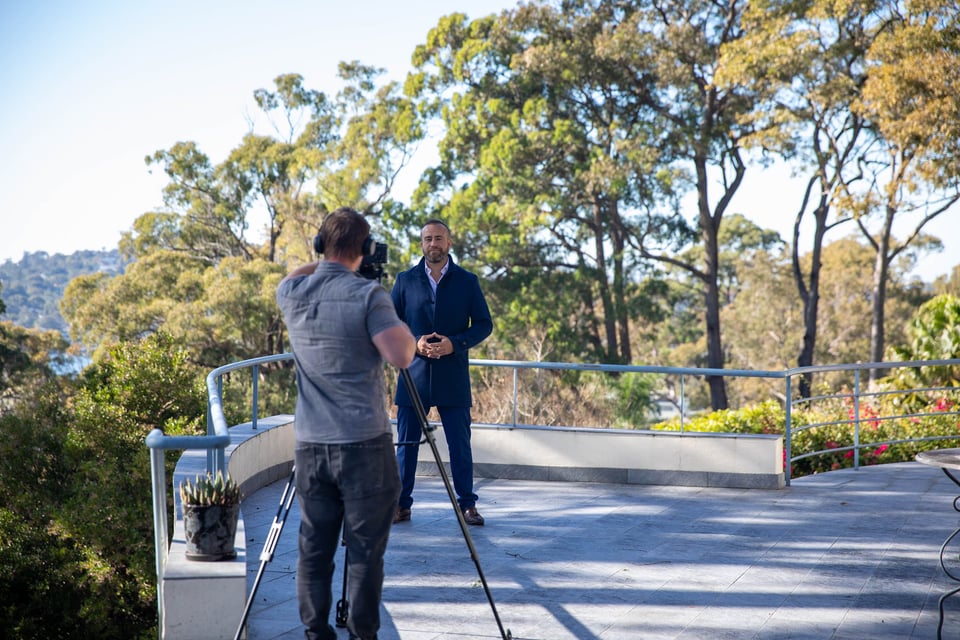
Great People and Communication Matter
In real estate marketing, exceptional results aren't just about cutting-edge technology—they're built on strong relationships, clear communication, and a team genuinely invested in your success.
Soft Skills Matter as Much as Technical Expertise
In the real estate photography industry, technical proficiency with cameras, lighting, and editing software is essential. However, the ability to communicate effectively, build trust, and understand client needs separates adequate service providers from exceptional partners. Real estate agents work in a fast-paced, relationship-driven environment where timelines are tight and expectations are high. A real estate photographer who anticipates concerns, responds promptly, and adapts to changing requirements becomes an invaluable extension of the agent's marketing team.
Soft skills enable photographers to navigate the inevitable challenges that arise during property campaigns. When lighting conditions change unexpectedly, when staging isn't quite ready, or when timeline adjustments are necessary, clear communication and a calm, supportive approach transform potential frustrations into collaborative problem-solving opportunities. These interpersonal capabilities ensure that technical expertise translates into results that genuinely serve the listing's success rather than simply producing technically correct images.
The most successful real estate marketing relationships are built on mutual understanding. A photographer who takes time to understand an agent's brand identity, target market, and specific listing goals can tailor their creative approach accordingly. This requires active listening, thoughtful questions, and genuine interest in the agent's success—qualities that no amount of technical skill alone can provide.
The Human Foundation Behind Every Successful Property Campaign
Every property listing represents a significant financial and emotional investment for sellers, and considerable professional responsibility for agents. Behind each campaign are real people with genuine concerns, aspirations, and pressures. A real estate photographer who recognises this human dimension approaches each project with empathy and accountability, understanding that their work directly influences how quickly and successfully properties sell.
This people-first approach manifests in practical ways throughout the marketing process. It means arriving on time and being efficient on site, respecting both the agent's schedule and the property owner's home. It means providing honest, constructive advice about shoot timing, staging, and presentation—guidance that comes from genuine investment in the outcome rather than simply completing a transaction. It means delivering consistent, high-quality results that agents can rely on, project after project.
The foundation of successful property campaigns is trust between all parties involved. When agents know their photographer will deliver exceptional work reliably, they can confidently promise results to sellers. When sellers see their home captured with care and creativity, they feel valued and understood. This human connection creates a foundation that technology and technique alone cannot replicate, no matter how advanced the equipment or sophisticated the editing process.
How Clear Communication Transforms the Real Estate Marketing Process
Effective communication is the single most powerful tool for preventing misunderstandings and ensuring smooth project execution in real estate photography. When photographers proactively discuss timelines, deliverables, and expectations before the shoot, both parties begin with clarity and alignment. This upfront investment in communication prevents the confusion that can derail campaigns and damage relationships.
The real estate marketing process involves numerous coordination points—scheduling around weather and property availability, managing access, coordinating with staging professionals, and delivering assets in time-sensitive listing windows. Clear, consistent communication throughout this process builds confidence and reduces stress for everyone involved. Simple practices like confirming appointment details, providing realistic turnaround estimates, and updating clients on progress demonstrate professionalism and respect for the agent's workflow.
Importantly, effective communication includes acknowledging when things don't go as planned. In any service business, challenges inevitably arise—equipment malfunctions, weather delays, or delivery timeline adjustments. The difference between a problem that strengthens a relationship and one that damages it often comes down to how transparently and promptly it's communicated. A real estate photographer who proactively addresses issues, takes accountability, and works collaboratively toward solutions demonstrates the kind of partnership that agents value long-term.
Communication is also about listening as much as speaking. Understanding an agent's feedback, learning their preferences over time, and adapting the approach based on their input creates a customised service experience that reflects a genuine partnership. This ongoing dialogue ensures that the working relationship continuously improves rather than remaining static.
Building Trust Through Consistent, Personalised Service
Trust in business relationships is earned through consistent delivery over time. For real estate agents who depend on visual marketing to win listings and attract buyers, knowing they can rely on their photographer to deliver premium results with every project provides invaluable peace of mind. This consistency allows agents to make confident promises to sellers and build their own reputation on dependable quality.
Consistency extends beyond image quality to encompass the entire service experience. It means maintaining professional standards for every property—whether a modest apartment or a luxury estate—because each listing deserves the same care and attention. It means honouring commitments around turnaround times, arriving prepared and professional for every shoot, and maintaining responsive communication throughout. These reliable behaviours build the foundation of trust that transforms transactional relationships into long-term partnerships.
Personalised service demonstrates that a real estate photographer truly knows their clients and cares about their specific needs. This might mean remembering an agent's preference for particular angles or editing styles, understanding the unique characteristics of different market segments they serve, or proactively suggesting approaches that align with their brand identity. Personal touches show genuine investment in the agent's success rather than treating every client as interchangeable.
We recognise that we sometimes get things wrong—no business is perfect. What distinguishes truly trustworthy partners is how they respond when issues occur. Taking accountability, communicating transparently, and working diligently to resolve problems reinforces rather than diminishes trust. Agents value photographers who treat challenges as opportunities to demonstrate commitment to the relationship rather than making excuses or becoming defensive.
The Power of Partnership Between Agents and Creative Professionals
The most effective real estate marketing emerges from a true partnership between agents and creative professionals rather than simple vendor-client transactions. When photographers understand themselves as collaborators in the agent's success—invested in helping properties sell faster and for higher value—their creative approach reflects this shared purpose. This partnership mindset transforms the working relationship from task completion to strategic collaboration.
Strong partnerships are built on mutual respect for each party's expertise. Agents bring intimate knowledge of their market, buyer preferences, and competitive positioning. Photographers contribute creative vision, technical capability, and specialised understanding of visual storytelling. When both perspectives inform the marketing approach, the resulting campaign leverages the strengths of each professional to create something greater than either could achieve on their own.
Partnership requires ongoing dialogue and a willingness to learn from one another. An agent might share insights about which images resonated most strongly with buyers, helping the photographer refine their approach. A photographer might educate agents on how lighting affects perceived space or suggest optimal times to capture properties. This exchange of knowledge strengthens both businesses and ultimately serves sellers and buyers better.
The key learning from our experience in this relationship-driven industry is clear: better communication is always the answer. When challenges arise, when expectations aren't perfectly aligned, or when results don't meet standards, the solution invariably involves more transparent, more frequent, and more empathetic communication. Real estate photography is ultimately a people business, and success flows from treating it as such—prioritising relationships, investing in understanding, and continuously working to communicate better with every interaction.